Showing posts with label babies. Show all posts

Wednesday, 7 March 2018


5 Foods Proven to Boost Fertility


Tomatoes

It's no secret that tomatoes are an excellent source of lycopene, an important antioxidant that helps rid free radicals from the body. When free radicals are present, they can cause females and males to experience difficulty in nearly every step of the reproductive process. Since male infertility is often not addressed, it's important to note that recent studies have shown lycopene to be a high nutrient that assists with sperm viability.


PLANT PROTEIN


Plant Protein

Protein is an essential macronutrient, essential in the body to build and repair tissues, bones, cartilage, hair, skin, and blood, as well as forming enzymes and hormones. Research from the Nurses' Health Study has revealed that plant-based proteins show some protection against ovulatory infertility compared with animal-based proteins. I'm not saying throw in the towel on those lean beef burgers, but definitely, consider swapping them out more frequently for delicious plant-based options


Whole Grains

Whole grains provide complex carbohydrates that help regulate your blood sugar. When your diet is high in refined carbohydrates, like those found in white bread, sugary cereals, and sweet treats, your pancreas has to release the hormone insulin to normalize blood sugar levels. Research has shown that high concentrations of blood insulin increase ovulatory infertility in females. 


Whole Milk

Did you know that incorporating one or two servings of full-fat dairy products (milk, yogurt, and cottage cheese) may offer protection against ovulatory infertility? Yes, findings from the Nurses' Health Study have shown that opting for full-fat dairy options while trying to conceive may increase your chances of success. When fat is removed from dairy, it alters the balance of sex hormones that in turn affect your chance of ovulation and conception. It's important to note that with the full fat come more calories, so be sure to include a varied and balanced diet while making the switch to whole milk. 


Mushrooms

Besides being low in sodium, calories, and fat (high to add to meat-based dishes to improve their health profile), mushrooms also provide essential nutrients like vitamin D and selenium. White mushrooms that have been treated with UV-exposed light actually equip over 100 percent of your daily recommended intake of vitamin D. Recent research shows vitamin D not only improves chances of achieving pregnancy for women undergoing in vitro fertilization, but also improves sperm quality, testosterone concentration, and overall fertility outcomes in males as well. 


 If any questions ==>> leave your comment in the form below::

                                                                                                                                                                                                  source: 5 Tips for Fertility

Saturday, 22 April 2017

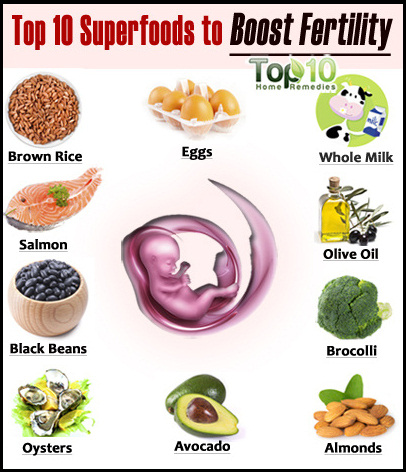
Top 10 Superfoods to Boost Fertility

Having a baby is one of life’s most desired and precious events. So when you struggle to become pregnant, it can take a toll. Fortunately, the solution may be closer at hand than you think.

Food and fertility are intrinsically linked. A proper diet helps regulate hormones and improve a woman’s health, increasing her chances of getting pregnant. Also, a properly planned diet helps prepare a woman’s body for pregnancy and can even prevent miscarriages.
Here are the top 10 superfoods to boost fertility.


1. Brown Rice

Brown rice is a good source of complex carbohydrates, which will help improve a woman’s fertility by promoting regular ovulation. In a six-year study of 18,000 Harvard nurses, researchers found that those who ate white rice were 92% more likely to experience infertility compared with those who ate brown rice.
Also, brown rice contains a good amount of folic acid, which aids in blood production and is very important for preventing neural tube defects in newborn babies. Try to include brown rice in your diet three times a week for your overall health.

2. Whole Milk
If you are trying to conceive, stop drinking skim milk as it has been found to promote infertility. Instead, opt for whole milk, which contains a good amount of calcium that is great for reproductive health as well as your bones.
Also, whole milk has fats that are needed for pregnancy. If you do not like whole milk, you can include full-fat ice cream, yogurt or cottage cheese in your diet to get similar benefits. Drink one glass of whole milk per day to give your body the required calcium and improve your chances of getting pregnant.
3. Olive Oil
The monounsaturated fat present in olive oil helps improve the body’s sensitivity to insulin and reduce inflammation; both of these are good for fertility.
A study done at the Harvard School of Public Health found that higher intake of monounsaturated fat is directly linked to higher odds of live birth. So, women undergoing infertility treatment must include olive oil in their diet plan.
4. Broccoli
According to a study published in Fertility and Sterility, vitamin C-enriched foods are highly essential for those who are planning to conceive. Due to its high content of vitamin C, broccoli can help boost fertility.
In men, vitamin C improves sperm quality and protects sperm from DNA damage. In women, it helps reduce the chance of miscarriage and chromosomal problems. Also, broccoli is rich in B vitamins as well as calcium, iron, and zinc that are highly essential for women wanting to conceive when they are in their mid-30s or older.
5. Oysters
Oysters are an excellent source of zinc, a highly essential nutrient for those who are trying to conceive. In males, zinc helps increase testosterone and semen levels. Zinc deficiency in the body has been found to disrupt normal menstrual cycles in women and slow down the production of high-quality sperm in men.
Also, according to the Centers for Disease Control’s Assisted Reproductive Technology report, low levels of zinc in women have been directly linked to miscarriage in the early stages of pregnancy.
6. Eggs
Eggs contain vitamin D, which plays a key role in boosting fertility. According to a study done by Yale University, infertile women often suffer from vitamin D deficiency. Also, eggs are rich in antioxidants and carotenoids that boost fertility in women.
The vitamin B12, omega-3 fats and folate in eggs also will minimise the possibility of birth defects. Those who are planning to conceive, and who also keep a close eye on their weight, can safely enjoy up to six eggs per week.
7. Salmon
Salmon is one of the best fertility-boosting foods. This is mainly due to its high content of omega-3 fatty acids, which can help regulate reproductive hormones, increase blood flow to reproductive organs, and even minimise stress.
Another magical nutrient in salmon is selenium, a mineral that produces antioxidants that protect the eggs and sperm from free radicals. It can also help prevent chromosome breakage, which is known to cause birth defects and miscarriages.
Try to incorporate a serving of oily fish like salmon into your diet two to three times a week. You can also include sardines, mackerel, herring, and anchovies to boost fertility.
8. Black Beans
Black beans are rich in fibre that helps regulate blood sugar levels, which helps reduce fertility issues such as polycystic ovary syndrome and immunological issues while promoting a healthy hormonal balance.
Plus, black beans contain vegetable protein. According to a study published in the American Journal of Obstetrics & Gynecology, a diet high in vegetable protein can make you more fertile. Also, black beans contain folate, manganese, protein, magnesium and iron that are highly essential for women who are planning to conceive.
9. Almonds
A diet high in vitamin E has been shown to improve sperm health in men. Studies have also shown that vitamin E deficiency in women can be one cause of infertility. Vitamin E is also an important antioxidant that helps protect DNA in sperm and eggs.
Also, this nutrient protects embryos from miscarriages. To increase your intake of vitamin E, one of the best superfoods is almonds. Try to eat some dry roasted almonds daily with a glass milk to improve fertility.
10. Avocado
This fruit boosts productivity due to its high content of folic acid, monounsaturated fat and healthy enzymes. Folic acid, a type of B vitamin, helps increase fertility in both women and men and it also helps prevent neural tube defects in babies.

Plus, the monounsaturated fat in avocado helps regulate the hormones involved in reproduction and increase your chances of conceiving. Those who are undergoing in-vitro fertilisation (IVF) treatment should eat a salad made with avocado and olive oil daily.
In addition to including these superfoods in your diet plan, you can increase your chances of becoming pregnant by reducing stress, sleeping properly, drinking ample amounts of water, exercising regularly, managing your weight, quitting smoking and avoiding too much alcohol.

                                                                                                                                                                                                              source: LG365GetPregnantSuperFoods


Sunday, 26 March 2017

Women Are Putting Cabbage Leaves On Their Breasts, Find Out the Reason Behind.

Many women in American and European countries have started this modern trend of putting cabbage leaves on their breasts. Cabbage leaves are used to reduce breast swelling and relieve the pain and discomfort that breastfeeding a baby can cause.

Also, it is very helpful in soothing the pain and stress caused by wearing an uncomfortable bra. Researchers do not know if there is a property within the cabbage itself that helps to decrease the pain and swelling, or if the swelling goes down because the cabbage leaves are acting as cold compresses.

Either way, studies show that if you are breastfeeding and you put cold cabbage leaves directly on your breasts, it’s not only soothing, but it can help lessen your breast pain and swelling.

How to Use Cabbage Leaves for Breast relaxation
Put the cabbage is refrigerator for an hour. Once it’s cold, Peel off the outer layer of leaves, and throw them away. Then, pull off two of the inner leaves to use.

Wash these two inner leaves in cold water. You want to be sure that they are clean and free from dirt, pesticides, and residue.
Cut the stem of the leaves so it can fit properly on your breasts without covering the nipples.

Now, you can place the clean, cold cabbage leaves on your breasts. Wrap the leaves around your breast, but leave your nipples exposed. If you keep the leaves off of your nipples, it will help the skin around your nipples to stay dry and intact.

You can leave the cabbage leaves on your breasts for approximately 20 minutes or until they become warm. Then, remove them from your breasts.

Repeat as necessary.
If you are still breastfeeding or pumping for your baby, and just want to use cabbage leaves to help decrease breast swelling and relieve breast engorgement, you should stop this treatment once you notice that your breasts are feeling better, and the swelling has gone down.


Thursday, 15 December 2016

10 convincing health reasons you should eat more of that stuff called CHOCOLATE

Chocolate is the ultimate comfort food, a good standby in times of stress, a reliable source of consolation when life has let us down, and a mood-enhancer and romance-inducer in more real circumstances. But is it at all healthy?
If you scoff lots of it, obviously not. But there is a host of medically proven ways in which chocolate — good chocolate, which is to say dark chocolate, with a cocoa percentage of around seventy percent or more — really is good for us.
Research is continuing all the time, and experts have already found that chocolate is good for the heart, circulation, and brain, and it has been suggested that it may be beneficial in such major heath challenges as autism, obesity, and diabetes.
And in fact, the very latest research suggests that eating chocolate could help keep your brain function whirring into old age.
Here are ten scientifically established health benefits of good chocolate.

1. It's good for the heart and circulation A recent study found that dark chocolate helps restore flexibility to arteries while also preventing white blood cells from sticking to the walls of blood vessels - both common causes of artery clogging.
2. It reduces risk of stroke - Researchers in Finland have found that chocolate consumption lowers the risk of suffering a stroke - by a staggering 17 percent average in the group of men they tested.
3. It's mineral rich - Dark chocolate is packed with beneficial minerals such as potassium, zinc, and selenium, and a 100g bar of dark (70 percent or more) choc provides 67 percent of the RDA of iron.
4. It reduces cholesterol - Consumption of cocoa has been shown to reduce levels of “bad” cholesterol (LDL) and raise levels of “good” cholesterol, potentially lowering the risk of cardiovascular disease.
5. It's good for your skin- The flavones in dark chocolate can protect the skin against sun damage (though you'd probably better still slap on some sun cream).

6. It can help you lose weight
Chocolate can help you lose weight. Really. Neuroscientist Will Clower says a small square of good choc melted on the tongue 20 minutes before a meal triggers the hormones in the brain that say “I’m full”, cutting the amount of food you subsequently consume. Finishing a meal with the same small trigger could reduce subsequent snacking.
7. It's safe for mothers and babies


A Finnish study found that chocolate reduced stress in pregnant women and that the children of such mothers smiled more often than the offspring of non- chocolate-eating parents.
 8. It may prevent diabetes
It sounds mad, but cocoa has been shown to improve insulin sensitivity. So dark chocolate - in moderation - might delay or prevent the onset of diabetes.
9. Chocolate is good for the brain
Flavones are thought to reduce memory loss in older people, and the anti-inflammatory qualities of dark chocolate have been found beneficial in treating brain injuries such as concussion.
10. Chocolate makes you feel better

Chocolate contains phenylethylamine (PEA), which is the same chemical that your brain creates when you feel like you’re falling in love. PEA encourages your brain to release feel-good endorphins.
As a chocolate lover I would also add that certain kinds of chocolate can be good for the soul: this is chocolate for which the raw materials have been grown with care by farmers who are properly rewarded for their work; then processed by people who take time and care in their work, and finished by chocolatiers who love what they do. It will not be mass-produced, and it may not be cheap. But it will be good for you, heart and soul.

Source: http://www.telegraph.co.uk/food-and-drink/healthy-eating/chocolate-10-health-reasons-you-should-eat-more-of-it/