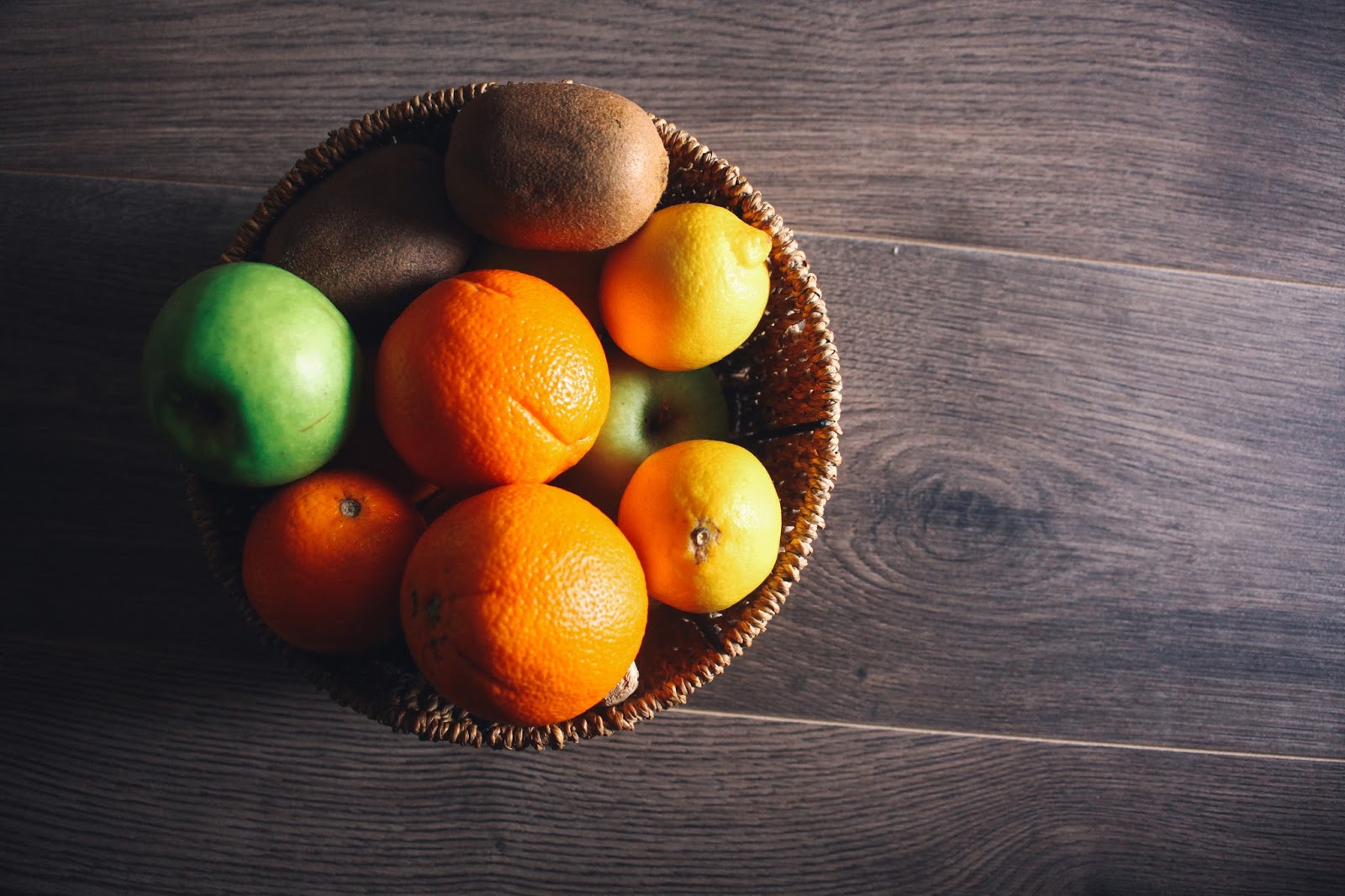
Part II - 29 Healthy Weight Loss Foods That Are Incredibly Cheap
17–22: Fruits
17. Bananas

As one of the cheapest fruits around, bananas are generally sold for about $0.60 a pound, and they have a variety of health benefits.
They are full of some important vitamins and minerals, such as vitamin C, vitamin B6, potassium, and manganese.
Additionally, bananas provide a decent amount of fiber, which may benefit digestive health, promote weight loss and protect against diabetes.
You can enjoy bananas as a quick snack food. They also taste great combined with peanut butter or yogurt.
18. Oranges

Oranges are very healthy and cheap, typically sold for about $1 a pound.
They are prized for their vitamin C content. Just one orange provides 116% of your daily need for this immune-boosting vitamin.
They also contain fiber, antioxidants, and lots of other nutrients, including B vitamins, calcium and potassium.
Consuming oranges and other fruits on a regular basis has been shown to reduce inflammation in the body, thus lowering the risk of several conditions, such as heart disease, diabetes, and obesity.
It is simple to add oranges to your diet. They are fairly convenient and can be enjoyed as a snack on their own or mixed with yogurt, salads, and smoothies.
19. Frozen Berries

Berries are nutrition superstars and reasonably priced when you purchase them frozen. A pound of frozen, mixed berries costs about $3.50.
Their incredible antioxidant content makes them one of the healthiest fruits you can eat. In fact, berries are considered to be one of the best sources of natural antioxidants.
The consumption of antioxidant-rich berries is linked to the prevention of some chronic diseases, such as heart disease, Alzheimer’s disease and certain types of cancer.
What’s more, they are high in fiber and many nutrients, especially vitamin C, vitamin K and manganese.
To reap the health benefits of berries, try to include them in your diet regularly. They make for a delicious snack or healthy dessert and can be added to smoothies and salads.
20. Apples

Apples are very healthy and generally cheap, averaging $1.60 a pound.
One medium apple contains three grams of fiber, which is mostly responsible for the positive effects that apples have been shown to have on weight loss and blood sugar control.
Moreover, apples provide some vitamin C, B vitamins, and trace minerals, as well as several antioxidants. Eating them regularly may help lower inflammation in the body, which is a major risk factor for several chronic diseases.
They are an easy, convenient food to add to your diet and commonly consumed as a snack or chopped into a salad.
21. Cantaloupe

Cantaloupe is a nutrient-dense and affordable fruit, typically costing around $0.50 a pound.
One of its notable characteristics is its low-calorie content. There are only 53 calories in one cup of cantaloupe, making it a weight loss friendly food.
It’s abundant in some essential nutrients, providing 106% of your daily need for vitamin A, 95% for vitamin C and 12% for potassium in a one-cup (177-gram) serving.
Like other orange vegetables and fruits, cantaloupe contains the antioxidant beta-carotene, which has powerful health benefits such as cancer and heart disease prevention.
22. Kiwi

On average, kiwis cost only $2 a pound, and they have some powerful health benefits.
A medium kiwi provides 117% of your daily need for vitamin C, which is a major reason why eating them appears to support immune function.
They are also high in fiber, vitamin K, potassium, and antioxidants, all of which work together to protect your cells from damage and reduce the risk of chronic disease.
Kiwis may be particularly helpful for heart health, as eating them regularly has been shown to increase “good” HDL cholesterol, lower levels of fats in the blood and decrease blood pressure.
23–26: Fish, Meat, and Eggs
23. Wild Canned Fish

Canned fish has many health benefits and is significantly cheaper than fresh seafood. In general, a 6-ounce (170-gram) canned of tuna or salmon costs between $2–3.
Not only is fish a fantastic source of protein, but it’s also high in omega-3 fatty acids, which are essential for brain health and reducing inflammation.
Additionally, fish provides a decent amount of the trace mineral selenium, which may boost immune system health and protect against cancer.
What’s more, if you purchase can fish with the bones included, you will get a healthy dose of vitamin D, calcium, and phosphorus.
You can pair canned fish with salads, sandwiches, crackers and avocado or use it in several dishes, such as seafood cakes and stir-fries.
24. Pork

Pork is quite cheap compared to other types of meat, generally costing $3–4 a pound, and it’s one of the best sources of dietary protein.
In only three ounces of ground pork, there are 22 grams of protein, in addition to a significant amount of B vitamins, phosphorus, zinc, iron, and selenium.
The combination of protein, vitamins, and minerals in pork may promote muscle growth and maintenance and improve exercise performance.
It’s best to eat unprocessed pork that has been cooked properly.
25. Eggs

Eggs are one of the most nutritious foods on the planet, and they are very affordable at an average price of $2 a dozen.
One medium egg also contains six grams of protein and antioxidants that have anti-inflammatory properties and may protect eye health.
Furthermore, eggs provide some of almost every vitamin and mineral that you need. They are also one of the only dietary sources of choline, a nutrient that plays a role in brain function.
You can easily make eggs a regular part of your diet. They taste great and go with almost any food.
26. Chicken Breast

At $3–4 a pound, chicken breast is an excellent healthy and protein-rich food to eat when you’re on a budget.
In half a chicken breast, there are 27 grams of high-quality protein, meaning that it contains all of the essential amino acids that your body needs.
Chicken breast also contains high amounts of important vitamins and minerals, such as niacin, vitamin B6, phosphorus, magnesium, and selenium.
Including chicken breast in a healthy, balanced diet has been shown to help reduce the risk of obesity, heart disease, and diabetes. It may also protect against the risk of cancer.
27–29: Dairy
27. Cottage Cheese

A 16-ounce container of cottage cheese typically costs less than $2, so it’s affordable and a very healthy food to include in your diet.
Cottage cheese is a great source of protein, providing 14 grams per one-half cup (113 grams), which is about 28% of your daily need and may help appetite control and weight maintenance.
Also, it contains a variety of other nutrients, including calcium and phosphorus, which are known for playing an important role in bone health.
You can enjoy cottage cheese as a delicious snack. It tastes great when combined with fruit and is often added to salads.
28. Yogurt

Yogurt is nutritious, budget friendly and found in most stores for $2–3 for a 32-ounce (1 kg) container.
In only one cup (245 grams) of yogurt, there are 13 grams of protein and lots of B vitamins, in addition to 45% of your daily need for calcium, 35% for phosphorus and 15% for zinc.
Furthermore, some yogurts are good sources of probiotics, which are healthy bacteria that may benefit digestive health.
Yogurt tastes great when combined with fruit or nuts, or it can be added to smoothies. It can also be made into a sauce and combined with cooked dishes.
29. Milk

Milk is very healthy and affordable, costing a little over $2 per gallon.
One cup (236 ml) of whole milk provides a significant amount of protein, calcium, B vitamins and phosphorus. It’s also typically fortified with vitamin D.
Consuming milk and other dairy products on a regular basis may help prevent several chronic diseases, including osteoporosis, heart disease, diabetes, dementia and certain cancers.
The Bottom Line
A healthy diet doesn’t have to be expensive.
There are plenty of affordable, nutrient-dense foods you can purchase without breaking the bank.
In fact, some healthy foods are cheaper than processed junk foods.
The 29 foods listed in this article are both cheap and healthy, making them a great addition to your diet.
source: cheap healthy food